

Long before anyone called it French, people were braiding.
Plaited hair appears in ancient Egyptian art and in Greek sculpture. It runs through African cultures too, where braiding is often traced back thousands of years, with Saharan rock paintings frequently cited as early evidence. In many of those cultures a braid was a language. Depending on the community, it could signal age, status, tribe, marriage or mourning. A style could tell you who someone was before they said a word. It was identity as much as fashion.
Why plait at all?
The practical answer comes first, and it’s a good one. Long hair gets in the way. Braiding gathers it, holds it and keeps it safe through a day of work, travel or weather.
Where the “French” came from
The label arrived much later, and nobody can say for certain who first applied it. What we do know is that it stuck. By the 19th century the name was in use, and the plait moved from practical to polished. It became a way of keeping long hair neat that looked effortless.
The technique earns its own name. A simple three-strand plait just crosses the strands. A French plait adds a little extra hair from each side as you work down, so it starts high on the head and sits close to the scalp. That’s why it looks so smooth, and why it’s harder to do on yourself than it looks.
A style that never leaves
Through the decades, it keeps coming back. It’s the schoolgirl classic, a catwalk favourite and a red carpet staple. Every generation reinvents it: looser, higher, messier or sleeker. It never really goes away, because it never really belonged to a single era.
That’s what interests me as someone who thinks about brands. Most trends are tied to a moment, so when the moment passes the style goes with it. The plait is tied to something more durable: the human wish to make hair both manageable and meaningful. A style built on a need rather than a mood tends to last.
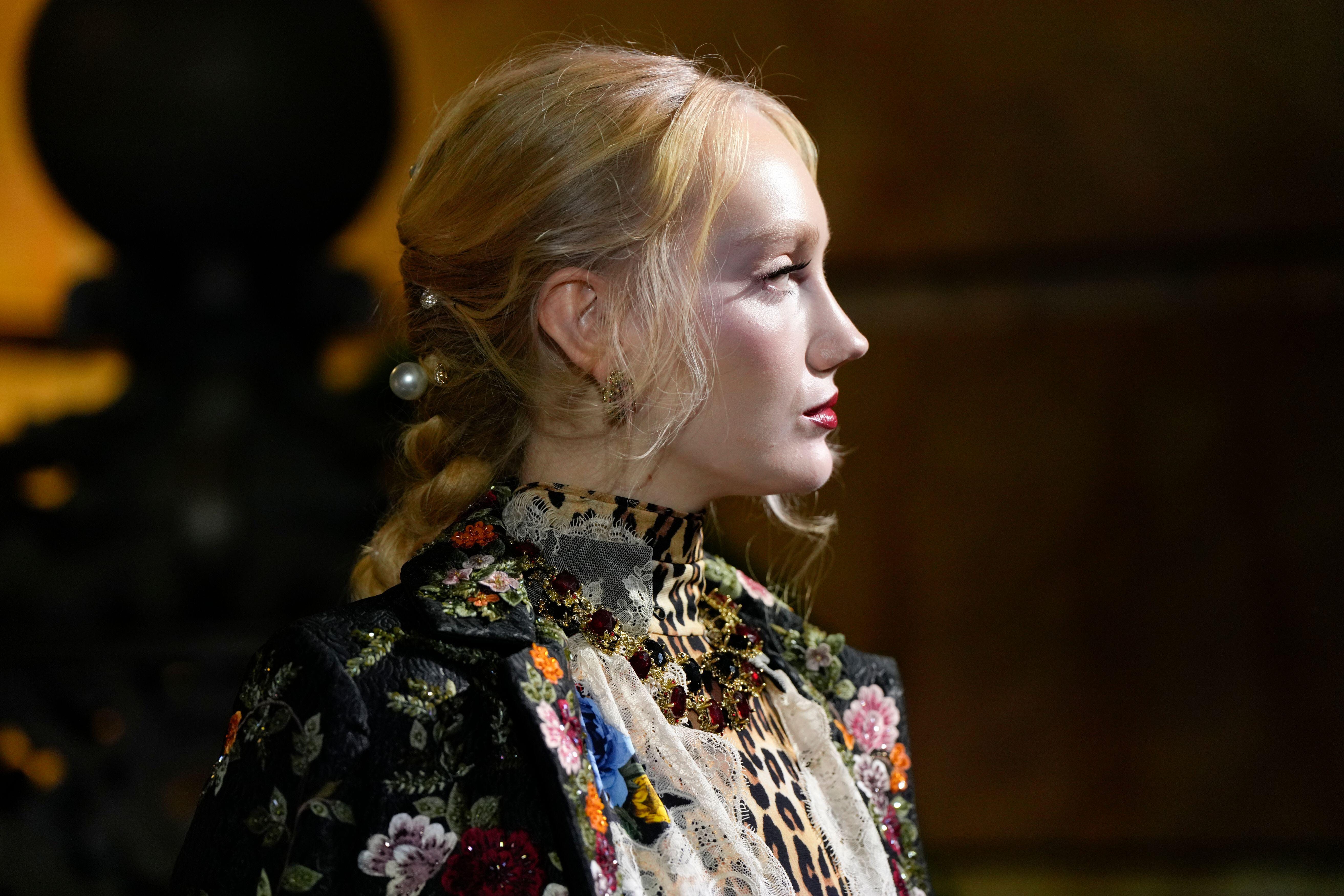
Thousands of years on, we’re still doing the same thing: crossing three strands and making it look easy.